"I do for Brides" magazine interviews Paul Jacobs [Founder of Ascot Diamonds]
Q: What single most valuable piece of advice you have for a potential buyer?
PJ: Beware… diamonds with the same weight, color and clarity are rarely equal in value even if they have certificates from the same gem laboratory.
Q: How significant could the difference be?
PJ: One could be worth twice as much as the other. It simply is not possible to establish accurate value for any diamond based solely on a laboratory certificate [including the GIA.]
Critical examination by experienced individuals with technical skills and market knowledge is absolutely imperative to judge a diamond’s brilliance, desirability and value.
Q: Does a GIA certificate guarantee you have a fine diamond?
PJ: No…not at all. Remember, all diamond laboratories [including the GIA] certify any diamond submitted for grading irrespective of whether the diamond is brilliant or not.
Laboratories simply record weight, measurements and provide an opinion on color and clarity. The GIA makes no comment on brilliance, beauty or value? This judgment can only be made correctly by skilled individuals with current market knowledge.
In addition buyers should know that it is not unusual for grades to change if the same diamond is submitted to the same gem lab more than once.
Q: What color and clarity grades do you recommend to your clients?
PJ: Diamonds in the near colorless range [G to I] make the best sense to me. However, if money is not an issue it is a perfectly legitimate for a buyer to select D to F color.
History has shown that higher colors and clarities increase in value more rapidly.
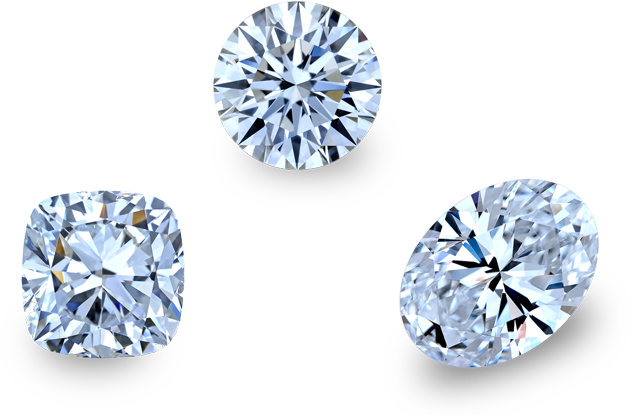
Diamonds with white inclusions toward the edge are more valuable than those with black center inclusions. I would select from VS1 to SI2 clarity and look for delicate inclusions not visible to the naked eye.
Q: What about cut? Why are all diamonds not cut with perfect proportion?'
This is an important question that requires a full explanation:
The first priority of virtually every buyer is to own a diamond with a certain carat weight and this market force has a negative influence on the decisions made by diamond cutters.
There is greater financial incentive for them to cut heavier diamonds rather than polish additional weight off the stone to create more perfect diamonds. This reality is unfortunate and impacts more than 90% of all diamonds produced.
Q: Do specific depth and table percentages guarantee cut and brilliance?
PJ: Understanding depth and table percentages can be helpful, however the dynamics of the proportion best suited to different shape diamonds is both subjective and complicated.
Q: So what advice do you have for a person trying to make a choice?
PJ: Choose the company you purchase from carefully. Make sure they have genuine high standards and care about the diamonds they own and offer for sale.
With this established you can enjoy the experience and trust your instincts as you identify the diamond that catches your eye… the one that talks to you.
Diamonds are the most intriguing and brilliant of all gemstones and for centuries have represented the ultimate expression of purity, affection and commitment.
Be sure to select yours with care.